
The historical journey of casinos from ancient rituals to modern entertainment hubs
The Origins of Gambling
The roots of gambling can be traced back thousands of years, with evidence suggesting that early civilizations engaged in games of chance. Archaeological findings indicate that the Chinese were playing games involving dice as early as 2000 BC. Similarly, ancient Mesopotamian cultures, such as the Sumerians, utilized rudimentary gambling techniques during rituals and festivals, often integrating these games into their social and religious practices. Many are now drawn to platforms like https://www.isrem.org/paypall/ for their secure and engaging gaming experiences.

In these early societies, gambling served various purposes beyond mere entertainment. It was often tied to rituals, believed to appease deities or determine favorable outcomes in agriculture and warfare. As civilizations evolved, the need for more structured gaming environments emerged, laying the groundwork for what would become formal casinos.
The Birth of Formal Casinos
The transition from informal gambling to established casinos began in the 17th century in Italy. The term “casino” derives from the Italian word for “little house,” initially used to describe small villas where nobles would gather for leisure activities. The first known casino, the Ridotto, opened in Venice in 1638, offering an organized setting for gambling amidst a burgeoning culture of entertainment.
This establishment marked a significant shift in gambling, transforming it into a social experience that attracted a wide range of patrons. As casinos gained popularity, other European nations, including France and Spain, established their own gaming houses, furthering the evolution of gambling into an essential component of leisure and social interaction.
The Rise of Casinos in America
The 19th century saw the spread of casinos to America, where they began to flourish, particularly during the Gold Rush. The first casino in the United States, the Gambling House, opened in New Orleans in 1822, capitalizing on the city’s vibrant culture and influx of fortune seekers. This period marked the transformation of gambling into a significant aspect of American entertainment.
The Evolution of Technology and Gambling
As technology advanced in the late 20th and early 21st centuries, casinos underwent a dramatic transformation. The introduction of electronic gaming machines and online gambling revolutionized how players engaged with their favorite games. Casinos began to incorporate technology to enhance user experience, offering innovations such as video slots and live dealer games.
The rise of the internet opened new avenues for gambling, allowing players to participate in online casinos from the comfort of their homes. This shift not only expanded the reach of gambling but also led to the emergence of various payment options, such as e-wallets, making transactions more secure and efficient. Consequently, the casino experience evolved into a global phenomenon, catering to a diverse audience with varying preferences.
The Contemporary Casino Experience
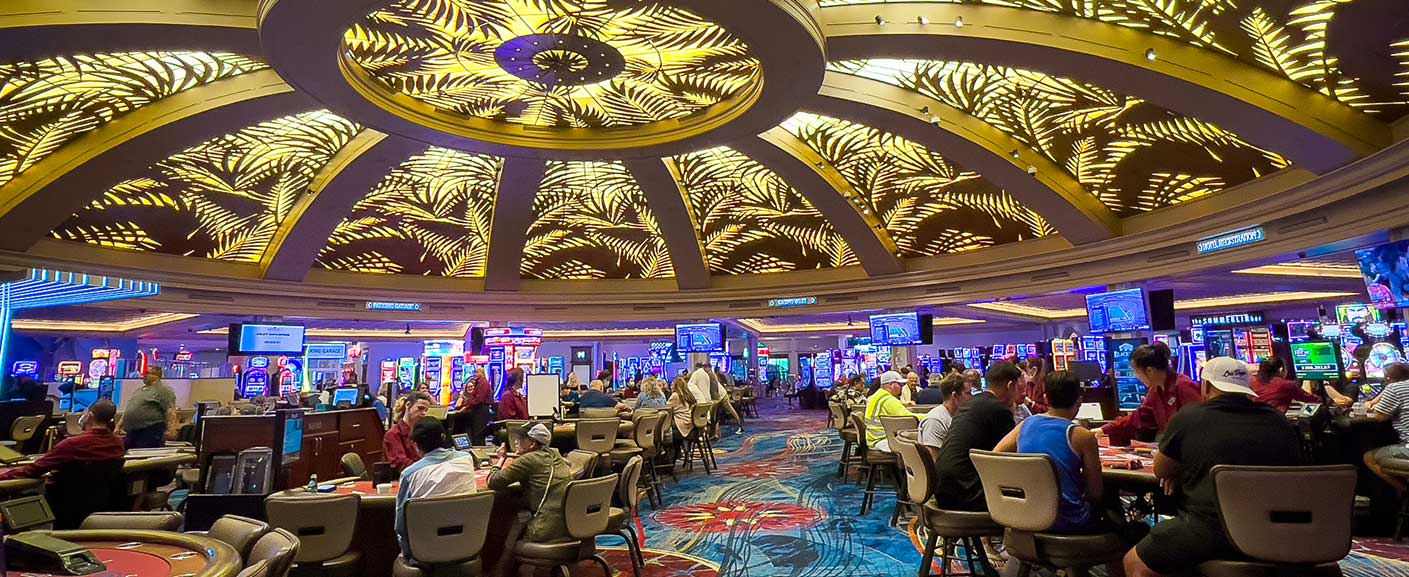
Today, casinos are more than just places to gamble; they are comprehensive entertainment hubs. Many establishments now feature luxury accommodations, world-class dining, and live performances, appealing to a broader demographic beyond traditional gamblers. This transformation highlights the importance of casinos in tourism, with destinations like Las Vegas and Macau becoming significant draws for international visitors.